
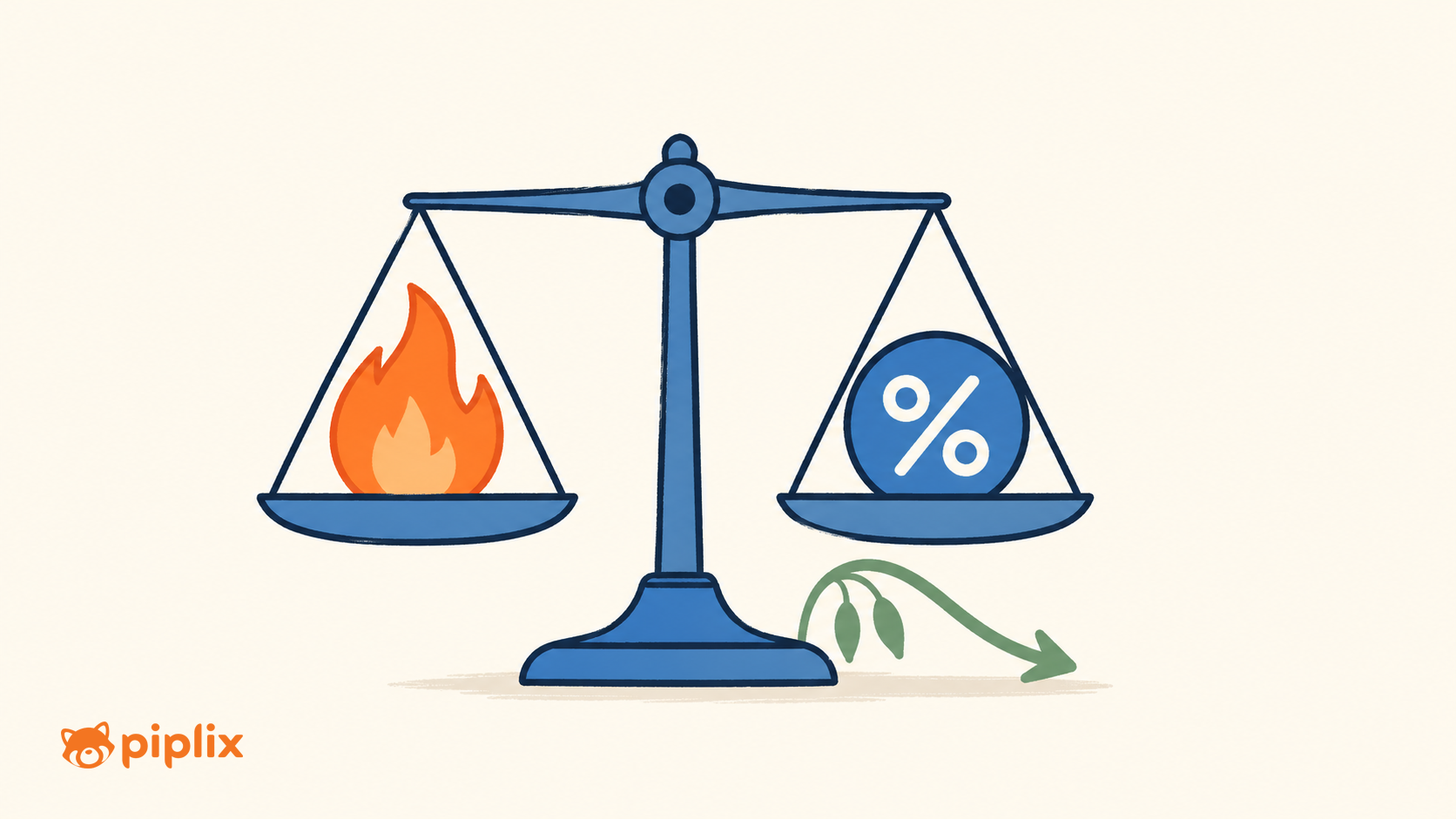

European Central BankCentral Bank refers to the public monetary authority responsible for managing a currency system and implementing monetary policy. The term belongs in Level 7 because it helps co...Read More Chief Economist Philip Lane said the latest energy-price surge creates both upside InflationInflation refers to a sustained rise in the general price level that reduces the purchasing power of money. The term belongs in Level 7 because it helps connect macro conditions...Read More risks and downside growth risks, with weaker demand potentially limiting how much Monetary PolicyMonetary Policy refers to the set of central-bank actions used to influence money, credit, interest rates, and financial conditions. The term belongs in Level 7 because it helps...Read More needs to tighten. Lane said underlying inflation indicators do not yet show a persistent upward shift in medium-term inflation and described the appropriate policy approach as a measured 'middle path'. Higher energy costs can suppress household and business demand even as they lift headline prices, complicating the ECB's response after two rate increases during the summer.
ECB Chief Economist Philip Lane said weaker demand caused by an energy shock could reduce the amount of interest-rate tightening needed. His comments suggest that the economic slowdown from higher energy costs may partly offset inflationary pressures.
